AI Video Production Tools in 2026: Platforms, Capabilities & Market Growth
AI video production tools in 2026 explained: Kling, Veo and Runway compared, features, use cases, and market growth insights.
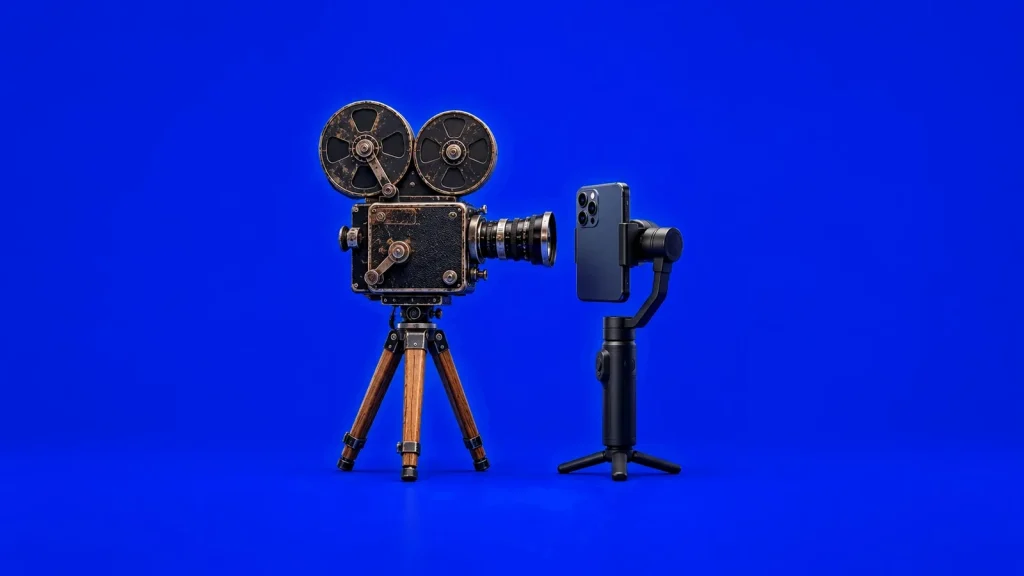
Video production in 2026 looks very different from what it did just a few years ago. What used to require a full crew, expensive gear, multiple shoot days, and weeks of post-production can now start with something much simpler: a well-written prompt.
That doesn’t mean traditional filmmaking is gone. It means the toolbox has expanded dramatically. Let’s walk through the leading AI video platforms in 2026, what they’re actually good at, and why this space is growing so fast.
From Prompt to Cinematic Output What’s Really Changed?
The biggest shift isn’t just speed. It’s consistency. Modern AI video models can now produce:
- Multi-shot sequences with the same character
- Stable lighting and camera movement
- Dialogue that syncs naturally
- Motion that follows believable physics
A few years ago, AI video felt experimental. In 2026, many of these outputs are timeline-ready. Editors are dropping generated clips directly into commercial projects. The question is no longer “Can AI generate video?” It’s “Which tool should I use for this specific job?”
The Leading AI Video Platforms in 2026
Each major platform has a slightly different personality. Here’s how they compare in practical terms.
Kling 3.0 Strong on Cinematic Realism
Kling 3.0 has built a reputation around fluid motion and photorealistic humans. It performs especially well in:
- Dynamic camera work
- Multi-shot cinematic sequences
- Stylized brand visuals
- High-detail lighting environments
If you’re developing a visually striking brand film or experimenting with narrative scenes, Kling often delivers that “polished” feel right out of generation.
Google Veo 3.1 Stable, Clean, Professional
Veo 3.1 is known for stability and output quality. It stands out for:
- Native 4K resolution
- Consistent characters across scenes
- Strong prompt adherence
- Reliable audio-visual synchronization
For agencies and brands that need predictability and high production standards, Veo tends to feel safe and production-oriented.
Runway Gen-4.5 Built for Creative Control
Runway isn’t just a generator—it’s more like a creative lab.
Its strengths include:
- Motion brushes
- Inpainting (remove or replace objects)
- Generative extend
- Integration into editing workflows
If you’re blending AI with live-action footage, Runway often becomes the bridge between both worlds. It gives editors more control rather than just a single rendered output.
Why the AI Video Market Is Growing So Fast
The momentum behind AI video isn’t hype alone. There are clear structural reasons:
- Content demand keeps increasing
- Brands need faster turnaround
- Localization and personalization are becoming standard
- Production budgets are under pressure
Many companies report cost reductions between 70–90% in specific use cases like internal training or marketing variations. Time savings can be even more dramatic.
In short, AI video isn’t replacing production—it’s removing bottlenecks.
So, Which Platform Should You Choose?
There’s no universal “best” model. It depends on your goal.
- Need cinematic, visually rich scenes? Kling may shine.
- Need stable, high-resolution commercial output? Veo is strong.
- Need heavy editing flexibility? Runway fits well.
In practice, advanced teams don’t rely on just one model. They combine tools based on the creative requirement of each project.
Final Thoughts
AI video production in 2026 feels less like automation and more like acceleration.
You still need:
- Creative direction
- Strong concepts
- Clear brand positioning
- Human judgment
But now, you can test ideas faster, iterate more freely, and scale output without scaling cost at the same rate.
That’s the real shift.
CATEGORIES