AI Video vs Live Action: Choose Scene by Scene
The right production method is chosen for each scene, not for the whole film: some moments need a camera, others need the new worlds AI can open.
The real question: the job of each scene
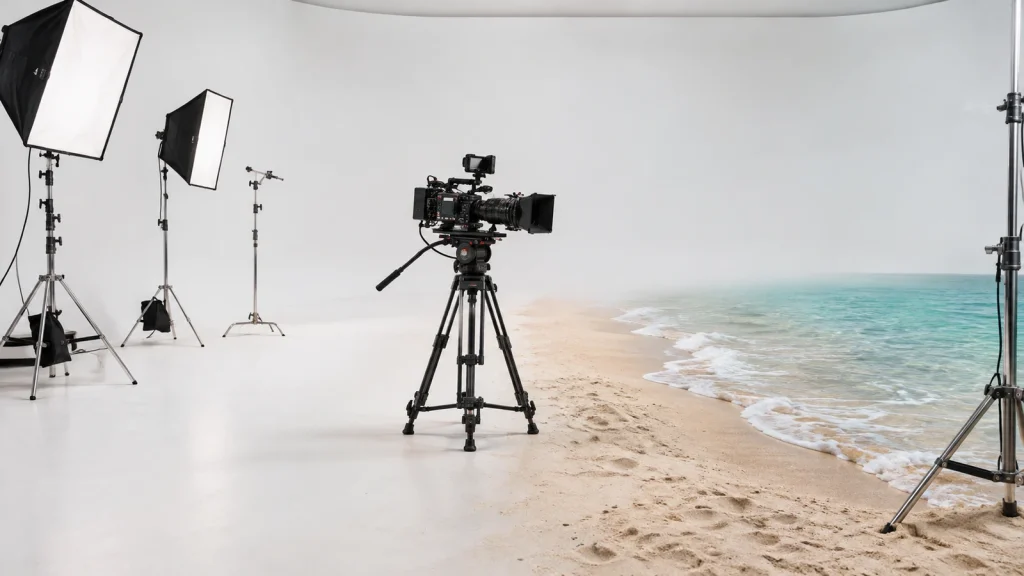
Framing a campaign as AI video vs live action often asks the wrong question. Using AI does not mean every scene should be generated, and choosing live action does not mean the entire visual world must be built in front of a camera. What matters is what the film needs to show and how precisely it must show it.
For a brand, the useful question is not which method is newer, but which one carries the message most credibly. Product accuracy, human performance, creative freedom and revision expectations are the four criteria behind that decision.
When real details must be shown accurately: live action
Live action is a strong starting point when a film depends on a product’s physical operation, the actual features of a location or a person’s natural performance. A hotel room presentation, for example, should show exactly the experience a guest will find when opening the door.
Before production, separate the shots that serve as evidence from those that serve as storytelling. Showing a feature that does not exist creates a misleading expectation, however the image was made.
When the idea needs a new visual world: AI video
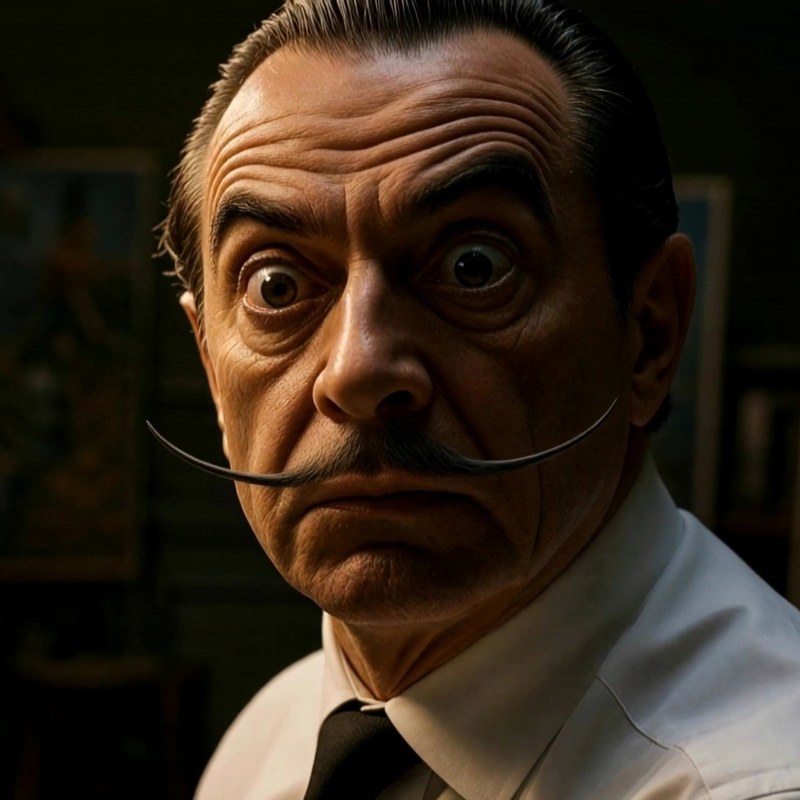
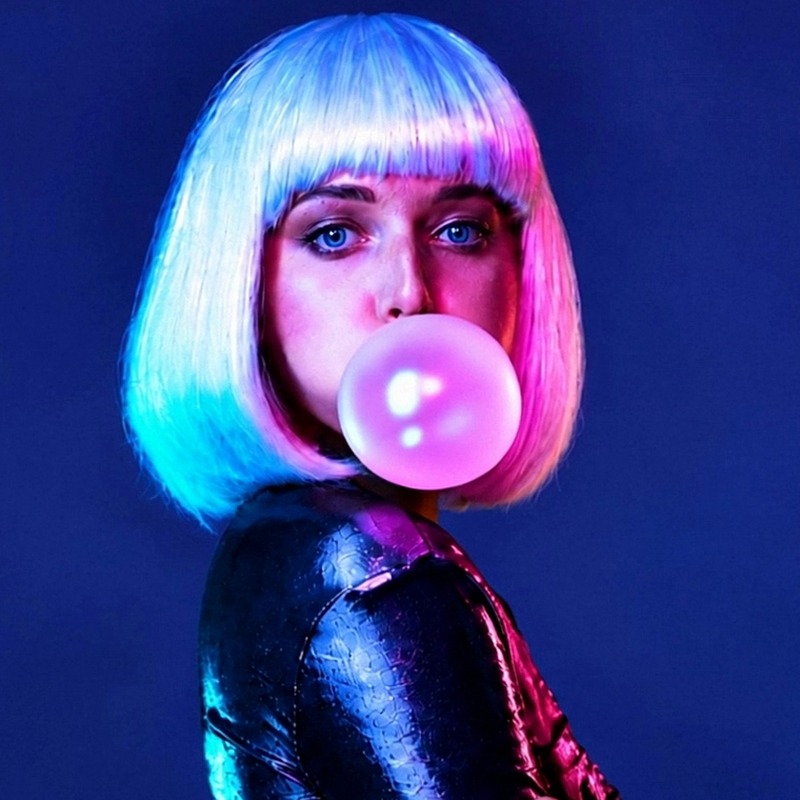
AI video is a powerful tool for surreal settings, atmospheres that are difficult or impossible to reach with a camera, and different interpretations of one creative idea. Instead of finding and renting a location, the world the idea needs can be built.
That freedom requires control to be planned from the start. Character and product continuity, natural movement and small details are tracked throughout production. We explore the approach of keeping the product fixed while the world around it changes in Fixed Product, Changing Worlds.
Compare budgets on the same scope
Live action budgets are shaped by crew, locations, performers and equipment; AI production by scene complexity, generation attempts, continuity and editing. Assuming that every AI film is automatically cheaper or faster is misleading. To compare two proposals fairly, duration, formats, revisions and audio work must match; we break these items down in What Determines AI Commercial Pricing?
Hybrid production: camera and AI in the same scene
Real product footage can be combined with a generated setting, and a filmed performance can be enriched with new visual layers. This preserves the accuracy of the product while the story around it develops freely.
The success of a hybrid production lies in preparation. If lighting, camera angle, colour and movement are not planned together from the start, material from different sources will not feel like one scene.
Make the AI video vs live action decision scene by scene
Open the script and ask for each scene: does the viewer need to see a real detail here, or feel an idea and an atmosphere? The answers reveal the right production plan without forcing the whole film into a single method.
At NeoMinds Media, we plan live action, AI video and hybrid production that combines both under one creative direction. Explore our services or let’s review the scenes of your project together.
CATEGORIES